Miles From the Nearest Pharmacy: Building a Wilderness Medicine Kit for Canada's Backcountry
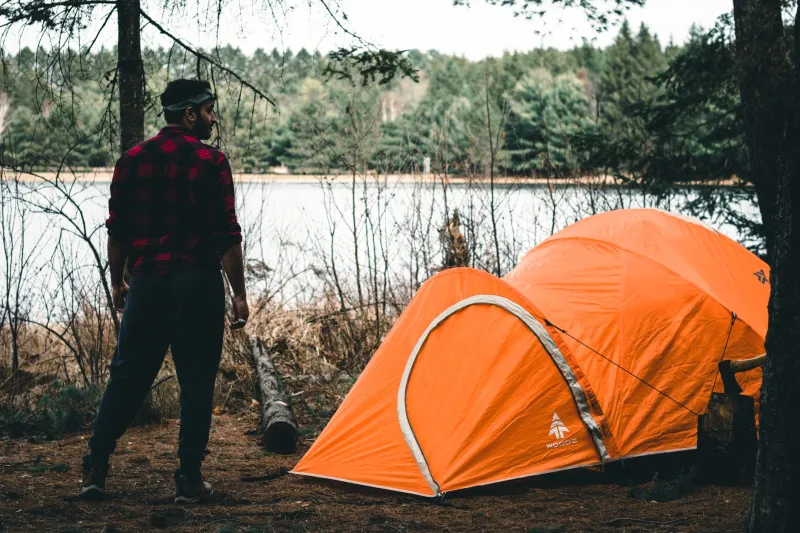
Canada's wild places demand preparation. A paddler on a week-long Algonquin loop, an angler towing a boat up a northern gravel highway, and a family opening the cottage in May all share one vulnerability: the further they travel from pavement, the further they travel from a pharmacist. Building a proper wilderness medicine kit is not about packing for every hypothetical — it is about anticipating the few problems most likely to arise and making sure your regular prescriptions survive the trip.
Start With Your Prescriptions, Not the First-Aid Aisle
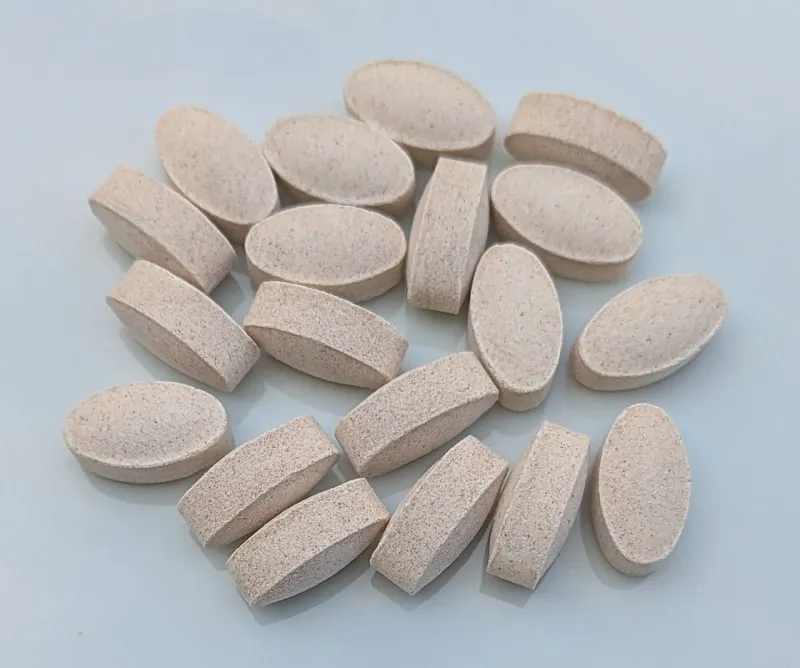
The most important items in any backcountry kit are the medications you already take. Pharmacists recommend carrying at least one full extra supply beyond your trip length, plus a buffer for delays. A five-day canoe route becomes an eight-day trip when rain grounds you at a take-out; a blown tire on a remote highway can add a day or more. Speak with your pharmacy well before departure about an early refill or a travel supply — many insurers accommodate longer intervals for extended trips with advance notice.
Keep medications in original, labelled containers. If a park warden, border officer, or emergency physician needs to identify what you are carrying, clear labelling prevents confusion and speeds treatment.
Keeping Temperature-Sensitive Medications Stable Without a Fridge
Insulin, certain biologics, some antibiotics in liquid form, and several other products require refrigeration or protection from temperature extremes. This is one of the most common challenges for cottage-goers and paddlers alike, and it has practical solutions.
- Insulated pouches and travel cases: Widely available evaporative or gel-based cooling wallets can keep insulin within safe range for days without electricity.
- Cool, stable storage on site: At a cottage, a cool basement or a bucket sunk into shaded ground outperforms a hot windowsill. In camp, bury medications in the shade beneath duff or store them in the bottom of a pack away from direct sun.
- Avoid the freeze risk: In shoulder seasons, overnight temperatures can drop below zero even in May or September. Freezing can damage medications as surely as heat — keep them insulated inside your pack rather than in an unheated cabin or vehicle overnight.
Ask your pharmacist how long your specific medication remains stable at room temperature. Some products tolerate days; others degrade quickly. Knowing the real number lets you plan realistically.
The Core First-Aid Layer
Beyond personal prescriptions, a backcountry kit should cover the injuries and ailments that actually occur on Canadian trips. A sensible baseline includes:
- Adhesive bandages in assorted sizes, sterile gauze, and medical tape
- A tensor bandage for sprains, common on portages and uneven trails
- Tweezers and a tick-removal tool — ticks are a growing concern across much of southern and central Canada
- Antiseptic wipes and an antibiotic ointment for cuts and abrasions
- An antihistamine for allergic reactions, plus an epinephrine auto-injector if anyone in the group carries one
- Oral rehydration salts for heat and exertion
- Ibuprofen or acetaminophen for pain and fever
- Anti-diarrheal medication and, for longer trips, a treatment for constipation — both are common when diet and routine change
- Blister care supplies, the single most-used item on most paddling and hiking trips
If your travels take you far from help, consider a wilderness first-aid course. Knowing how to use the kit matters more than the kit itself.
Talk to a Pharmacist Before You Leave the Pavement
A pre-trip conversation with a pharmacist is one of the most underused resources available to Canadian travellers. Bring your itinerary and ask three questions: which of my medications need special handling, what should I add for this specific trip, and what should I do if I miss a dose or run out?
For those who use mail-order or online pharmacy services, ordering refills a week or two before departure removes a last-minute scramble. Planning ahead matters even more for international travellers flying north or abroad, where bringing a copy of prescriptions and a physician's letter can smooth crossings and customs questions.
Pack Smart, Then Double-Check
Divide the kit: keep a small supply of critical medications in a separate container from the main kit, so a dunked pack or lost bag does not leave you without essentials. Store everything in a waterproof pouch, and check expiration dates each spring before cottage season begins — the kit you forgot about in the boathouse may not be reliable when you finally need it.
Canada's wilderness is generous, but it is indifferent. The difference between a memorable trip and a dangerous one is often measured in preparation — and a well-built medicine kit is the simplest insurance you can carry.