From Order to Doorstep: The Hidden Journey of a Mail-Order Prescription in Canada
For many Canadians — particularly those in rural Manitoba, northern Ontario, or the scattered coastal communities of the Atlantic provinces — the mail-order pharmacy is not a convenience but a lifeline. Yet the process that unfolds after an order is placed remains largely invisible to patients. Understanding that process matters, both for peace of mind and for making informed choices about where your prescriptions come from.
The First Hurdle: Prescription Verification
Before a single tablet is dispensed, a licensed Canadian pharmacist must review the prescription itself. In legitimate operations, this is a regulated clinical step, not a formality. The pharmacist confirms that the prescription originates from a licensed practitioner, checks the dosage against Canadian standards, and screens for potential interactions with other medications on file.
Patients ordering refills by mail should expect a pharmacist to contact them if anything looks unusual. If no one ever calls to clarify a prescription, that is worth noting — thorough verification is a hallmark of a properly run service.
Dispensing Under Federal Oversight
Canadian pharmacies operate under a dual framework: provincial colleges of pharmacy regulate the practitioners, while Health Canada governs the drugs themselves. Medications dispensed in Canada must carry a Drug Identification Number (DIN), confirming they have been assessed for safety, efficacy, and quality.
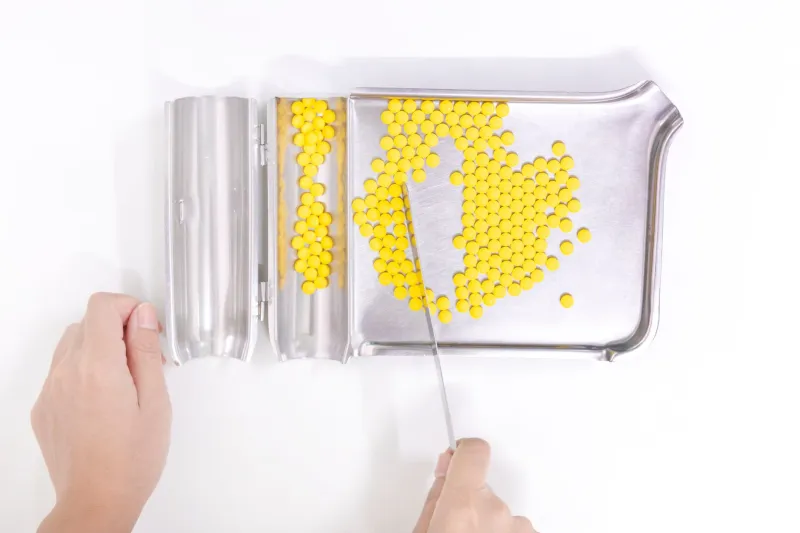
When your order is filled, the medication is drawn from Health Canada-approved stock, labelled in accordance with Canadian labelling requirements, and double-checked by a second pharmacy professional before packing. This redundancy — one person fills, another verifies — is standard practice and a meaningful safeguard against dispensing errors.
Packing for the Canadian Climate
Shipping medication across a country that spans six time zones and every conceivable winter presents genuine logistical challenges. Insulin, certain biologics, and some liquid formulations require cold-chain handling, meaning they must remain within a defined temperature range from dispensary to doorstep.
Reputable mail-order pharmacies use insulated packaging, gel packs, and temperature indicators during warmer and colder months. During a January cold snap in Saskatoon or a July heat wave in Windsor, packaging choices can make the difference between a viable medication and a compromised one. Patients receiving temperature-sensitive products should open packages promptly and check any included temperature indicators before use.
Crossing Borders: What International Customers Should Know
Canadian mail-order pharmacies also serve customers abroad, and this is where customs rules come into play. Medications shipped internationally may be subject to inspection by the destination country's regulators, and many countries — including the United States — impose limits on personal importation. Delivery timelines stretch accordingly: while domestic Canadian shipments often arrive within a few business days, international orders can take one to three weeks, depending on customs processing.
Customers outside Canada should confirm their home country's import rules before ordering, as seized shipments are rarely recoverable.
A Step-by-Step Walkthrough
- Order placed. You submit a valid prescription and your health profile through the pharmacy's secure portal or by phone.
- Pharmacist review. A licensed pharmacist verifies the prescription, checks for interactions, and contacts you or your prescriber if clarification is needed.
- Dispensing and labelling. Medication is dispensed from Health Canada-approved stock, labelled, and independently double-checked.
- Packing. Orders are sealed in tamper-evident, climate-appropriate packaging, with cold-chain materials added when required.
- Shipping. A tracked courier or postal service carries the package; you receive tracking information and an estimated delivery window.
- Delivery and follow-up. On arrival, inspect the package, verify the label matches your prescription, and store medications appropriately. A pharmacist should be reachable for any questions after delivery.
Spotting a Legitimate Online Pharmacy
The convenience of mail-order has attracted bad actors. Warning signs of rogue sites include:
- No requirement for a valid prescription
- Prices that seem implausibly low
- No verifiable Canadian address or licensed pharmacist contact
- No provincial pharmacy licence number displayed
Legitimate operations, by contrast, display their licence information openly, employ registered pharmacists, and welcome questions. Canadians can cross-check a pharmacy's licence with their provincial college, and international customers can look for verification through recognized accreditation programs.
The Bigger Picture
Mail-order pharmacy has quietly become a pillar of medication access in Canada, easing the burden on patients with mobility limits, chronic conditions, or long distances from a community pharmacy. Knowing what happens behind the scenes — the verification, the cold-chain packaging, the regulatory oversight — helps patients use these services confidently and safely. When the process is transparent, the doorstep delivery is more than convenience; it is continuity of care.